
What Do I Call You?
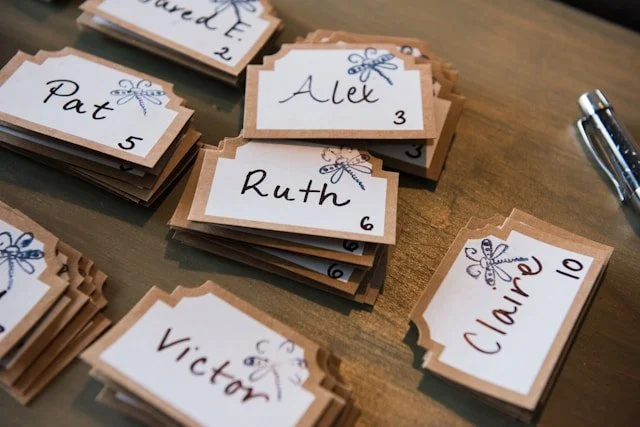
Photo by Christina Victoria Craft on Unsplash
We all have a preference for what we like to be called. For some, you’re addressed the same by everyone. For others, there are multiple variations and each equally acceptable. There are still others, who have a preference, sometimes a strong preference! There may be a familiar nickname saved only for our closest circle, or a Junior or Senior that is always added to differentiate from another family member. Your community or culture may have its own designations as well.
So, starting with how your contacts like to be addressed is a key brick in the foundation you are building. Consistently addressing your contacts, donors, supporters – whichever designation they may hold – will ensure your organization stands out as caring about them first.
As you track the names of your contacts, ask yourself: Do they have a nickname or prefer a formal name? Does William Smith prefer to be called Bill? Or is it Mr. Smith only? Does his son prefer to be called Junior? Or is that a title you want to avoid at all costs?
You want to track both the name you might address an email or letter to (the Salutation), and how you ask for them by name (i.e. Bill), as well as how their mail should be addressed (Addressee). Are you talking primarily with Bill, but addressing mail to both him and his spouse?
These may feel like small details, but for some supporters they can make or break a relationship. Have you ever politely referred to someone as “Mr. Johnson, Sir”, only to have them respond, “Oh, that’s my father’s name!”. Or, have you failed to address mail to both spouses only to be told by one that they make all their giving decisions together?
Track these important details from the start, and your relationships will be stronger and healthier, resulting in partnerships that are more likely to lead to impactful donations.
Remember, clear data leads to confident fundraising.
Next up: Do you know why your donors give?
What Gets Tracked in a Database?

Photo by Markus Winkler on Unsplash
Whether you’re starting from the beginning – or your database needs a refresh - what fields are you tracking? Most people start with a field for name, the original unique identifier. Address logically follows, along with common contact information like cell number and email.
Beyond those basics, what should we track? This is where a little expertise and experience go a long way.
As you build (or update) your donor management/ Customer Relationship Management (CRM) database, it’s good practice to think through what fields you have or eventually want to capture.
It’s much easier to populate the fields as you make new connections, rather than try to bulk add multiple pieces of information for hundreds of people – all at once! So, from the moment you begin collecting contact names, think through what other fields you’ll eventually want to capture.
In this series, we’ll touch on several common – and maybe not so common – areas you might want to have settled into your database. This strategic thinking at the start will set you up for success in the long run (plus, your database manager - and your fundraising team - will thank you!)
Remember, clear data leads to confident fundraising.
Next up: What do I call you?
Could Your Donor History Vanish?
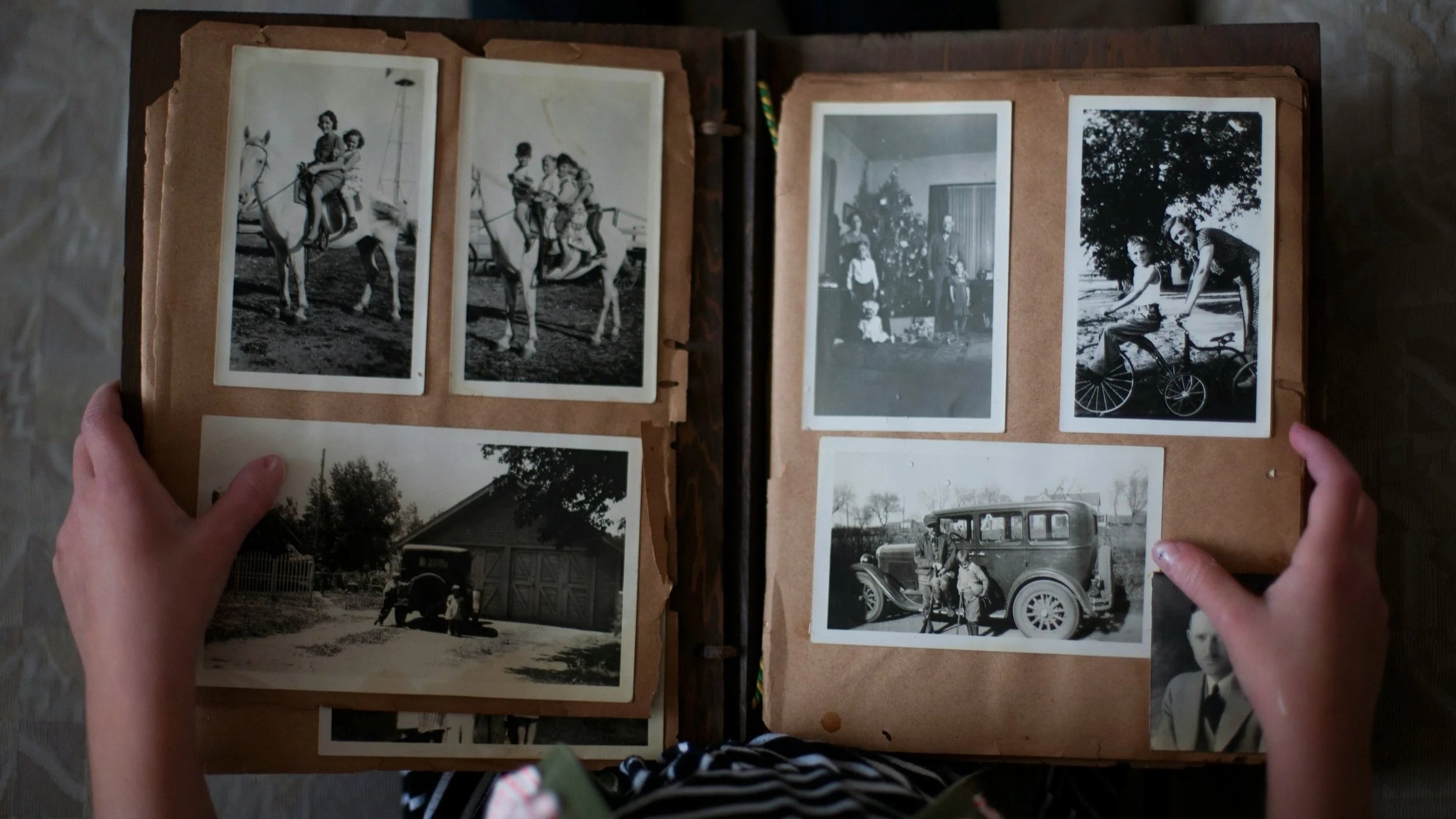
You know that one family member who shows up to every family reunion? The one who knows every cousin/aunt/uncle/great-grandfather and how the entire family tree fits together?
At any given moment, you can ask them, “when did great grandfather Harry buy the family cottage?” or “What year did we have that last big reunion?” or even “Can you send me great grandma Ethel’s cinnamon roll recipe?”
Joyfully, they will answer – imparting the knowledge that knits the family together. But what if they left… with just two weeks’ notice … and took all the family stories and connections with them? Consider if it happened every 3 to 5 years ... What if all that knowledge and lore and relationship building just walked away - without leaving any notes?
Yet those departures happen often in nonprofits.
A Development Director or Gift Officer leaves your nonprofit organization without having documented the many connections and relationships they’ve built for the organization … and with them goes your history. They didn’t type up notes on the conversation over lunch last year with your top donor or record the summer address of your newest Board member.
Without saving important details in a well-structured database – like donor relationships and contact history -- when outward facing staff and volunteers leave, so does key institutional history.
Then, the organization must start over and rebuild relationships, reestablish connections, and relearn the interests of their supporters.
Just like Grandmother Ethel expects her favorite recipes to be saved and shared, your supporters are relying on organizational memory held by individuals. Donors assume that the information they entrust to a staff member over lunch – about their interests, inclinations, and connections – is being kept by the organization. They expect that you’ll know who they are, what they care about, and how to contact them when their support is needed.
If you don’t believe me, just ask a donor, or show up to a meeting without understanding the relationship’s history. When you hear things like “I already told that other person last time …” or “What happened to Sherry? She knew which program I was interested in,” you’ll know that you have a relationship that’s in trouble.
When donor data is lost, the loss of donor connections quickly follow.
Just like one family member shouldn’t hold all the family stories … one staff person shouldn’t hold all the institutional knowledge about your supporters.
So be sure to save an extra cinnamon roll for Uncle James so he feels welcome at every family gathering. And be sure your team is taking notes and entering data into your database as relationships grow … so your donors remain a part of your nonprofit’s family. That way, when someone gives two weeks’ notice, you aren’t scrambling to download every donor interaction from their memory.